
Revealing The Vibrant Impulsive Heart

How I-Style Christian Women Build Relationships That Shine for God’s Glory
Some women light up every room they enter. Their laughter fills the air, their words encourage, and their presence feels like sunlight after a storm. They are the women who naturally draw others in — full of warmth, hope, and joy.
If this sounds like you, you likely have an I Personality Style — the Inspiring or Influencer type in the DISC model. You are relational, enthusiastic, expressive, and full of vision. God designed you to bring light, encouragement, and joy into the lives of others.
📖 “A merry heart maketh a cheerful countenance.” — Proverbs 15:13 KJV
You have a beautiful gift — the ability to uplift and inspire. Yet even gifts need grounding. While your energy and optimism bless others, maintaining balance and authenticity ensures that your influence builds connection instead of chaos.
🌿 Jesus as the Perfect Example of the I Style
Jesus modeled connection masterfully. He was approachable, rela...
Treasure The Beautiful Driven Heart

How D Personality Women Can Build Healthier, More Grace-Filled Relationships
Some women are born with a fire in their spirit.
They are goal-driven, confident, decisive, and determined. They see what needs to be done and get it done—often without hesitation.
If this describes you, you likely have a D Personality Style—the Dominant or Driver type on the DISC model. You are a natural leader, a woman of action, and a force for positive change when guided by truth.
But even the strongest leaders need connection. Because we were not created to do life alone.
📖 “And the LORD God said, It is not good that the man should be alone.” — Genesis 2:18 KJV
Relationships—whether marriage, friendship, or ministry—require intentionality. And for women with a D personality, learning how to balance strength with sensitivity is key to walking in love and truth.
🌿 Jesus as the Perfect Example of the D Style
Jesus displayed all aspects of the DISC model perfectly, but His leadership often reflected...
Build Genuine Relationships, Not Just More Revenue
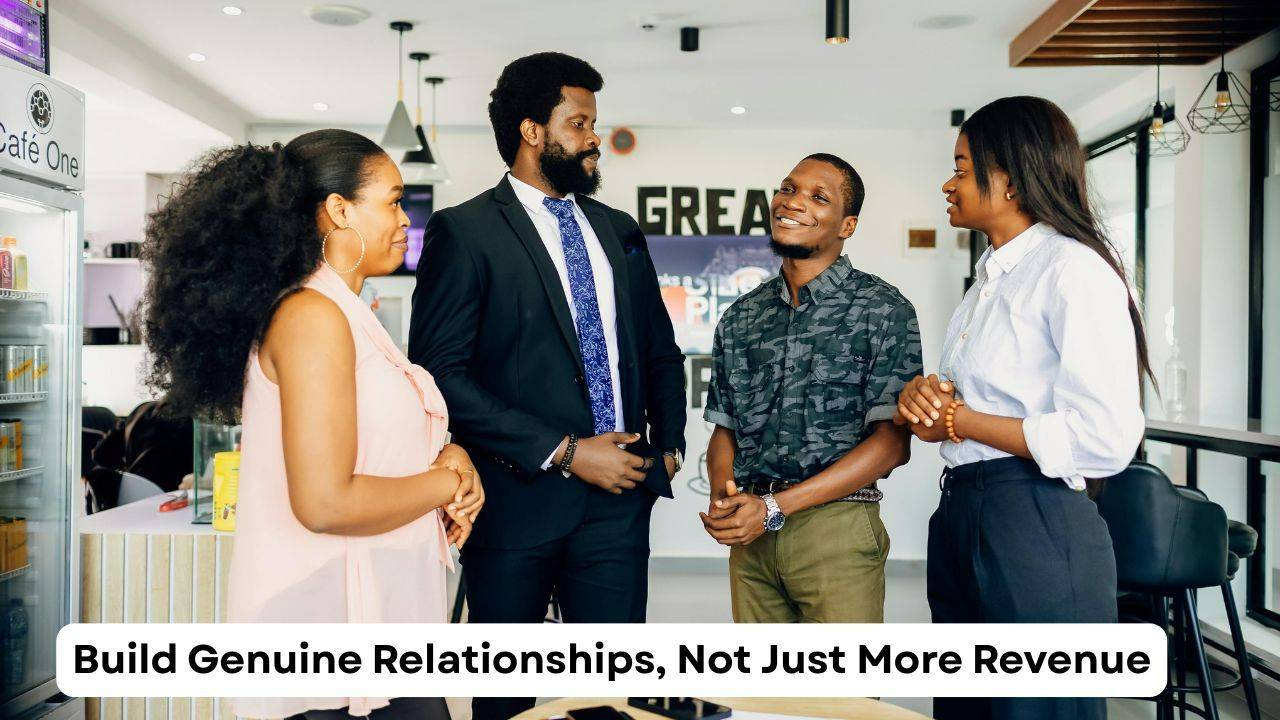
A Biblical Perspective for Christian Women in Business
📖 “Two are better than one; because they have a good reward for their labour.” — Ecclesiastes 4:9 KJV
In a world driven by metrics, sales goals, and social media analytics, it is easy to forget that business was never meant to be just about numbers—it was meant to be about people. God designed us for connection. Relationships are at the heart of the Kingdom, and when we bring that truth into our business, everything changes.
As Christian women, our success is not defined by profit alone, but by the people we influence, serve, and uplift along the way.
God’s Design for Connection
From the very beginning, God said, “It is not good that the man should be alone” (Genesis 2:18 KJV). While this verse speaks of companionship, the principle extends beyond marriage—it points to the human need for partnership and collaboration.
Ecclesiastes 4:9 reminds us that two are better than one because there is mutual benefit in laboring toget...
Respect Truth In Relationships: Honoring God By Actually Valuing Others

Relationships are one of God’s greatest gifts, but they also come with challenges. Whether in marriage, family, friendships, or the workplace, learning to respect one another is essential for building trust, harmony, and love. Respect means more than politeness—it is seeing others as God sees them, created in His image and worthy of honor.
The Biblical Foundation of Respect
📖 “Be kindly affectioned one to another with brotherly love; in honour preferring one another.” — Romans 12:10 KJV
Respect begins with humility—choosing to place value on another person’s needs, opinions, and feelings. In a culture that often promotes self-interest and competition, God calls us to put others first, just as Christ did when He humbled Himself to serve.
Acknowledging Differences
📖 “Now there are diversities of gifts, but the same Spirit.” — 1 Corinthians 12:4 KJV
Each person brings unique perspectives, personalities, and gifts to a relationship. Instead of allowing differences to divide ...
How To Make Strong Relationships With DISC & Connect Assessments
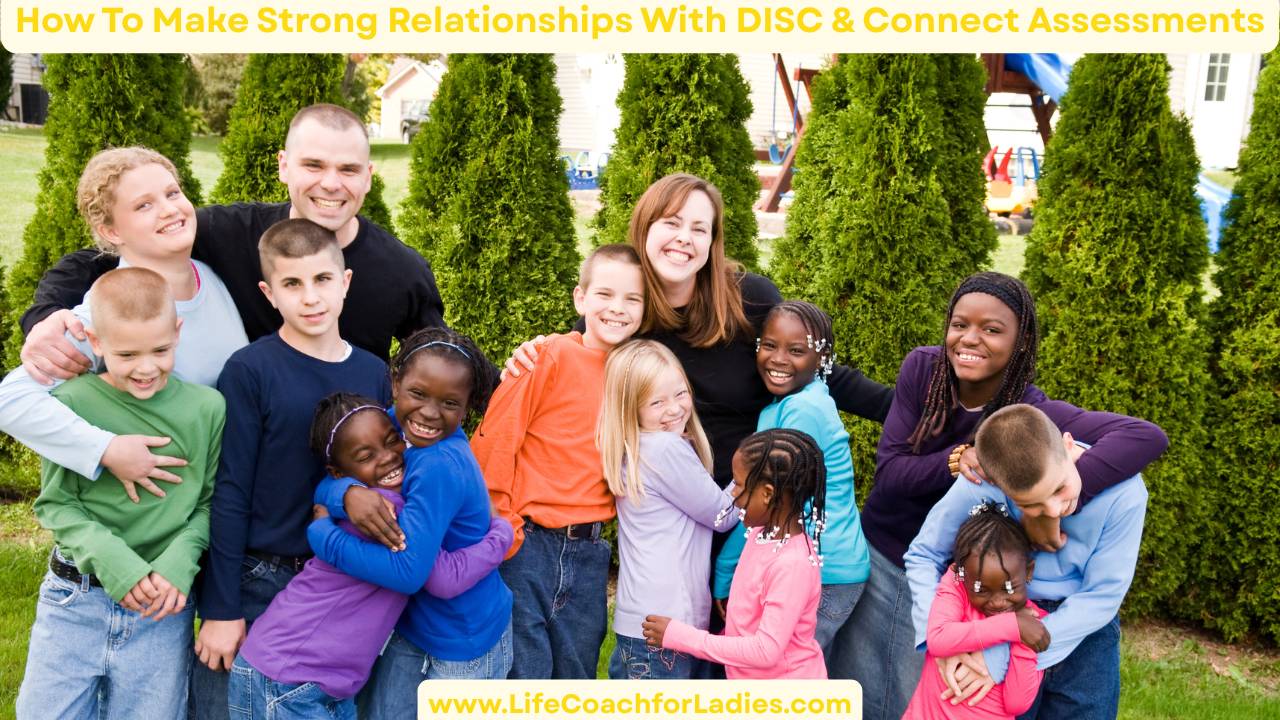
Healthy relationships are not built on guesswork. They are built on understanding, communication, and grace. As Christian women, we long to connect deeply with our spouses, children, friends, coworkers, and communities. But often, miscommunication and misunderstanding keep us from experiencing the closeness and unity we desire.
The good news is that tools like the DISC Personality Assessment and the Connect Assessment can give us fresh insight into how God has uniquely wired us—and how we can better love and relate to others.
📖 “With all lowliness and meekness, with longsuffering, forbearing one another in love.” — Ephesians 4:2 KJV
What is DISC?
The DISC model breaks down personality into four styles:
-
D (Dominance): Task-oriented, direct, decisive.
-
I (Influence): People-oriented, enthusiastic, expressive.
-
S (Steadiness): Loyal, supportive, patient.
-
C (Conscientiousness): Detail-oriented, precise, analytical.
When you know your own style, you understa...
Christian Relationships in the World: Remarkable Love for God, Others, And Yourself

In a world where differences often divide, it is easy to view people with other perspectives as wrong—or even as enemies. Yet Jesus calls us to something radically different: to love God, love others, and love ourselves with compassion and grace.
📖 “Master, which is the great commandment in the law? Jesus said unto him, Thou shalt love the Lord thy God with all thy heart, and with all thy soul, and with all thy mind. This is the first and great commandment. And the second is like unto it, Thou shalt love thy neighbour as thyself.” — Matthew 22:36–39 KJV
Loving God with All Your Heart
Every relationship begins with this foundation. When you love God first, your perspective changes. Instead of focusing on differences or frustrations, you see others through His eyes.
📖 “We love him, because he first loved us.” — 1 John 4:19 KJV
God’s love poured into your life makes it possible to extend love to others—even those who think differently, act differently, or believe differently.
...Successful Christian Relationships: Connecting With Others In Faith
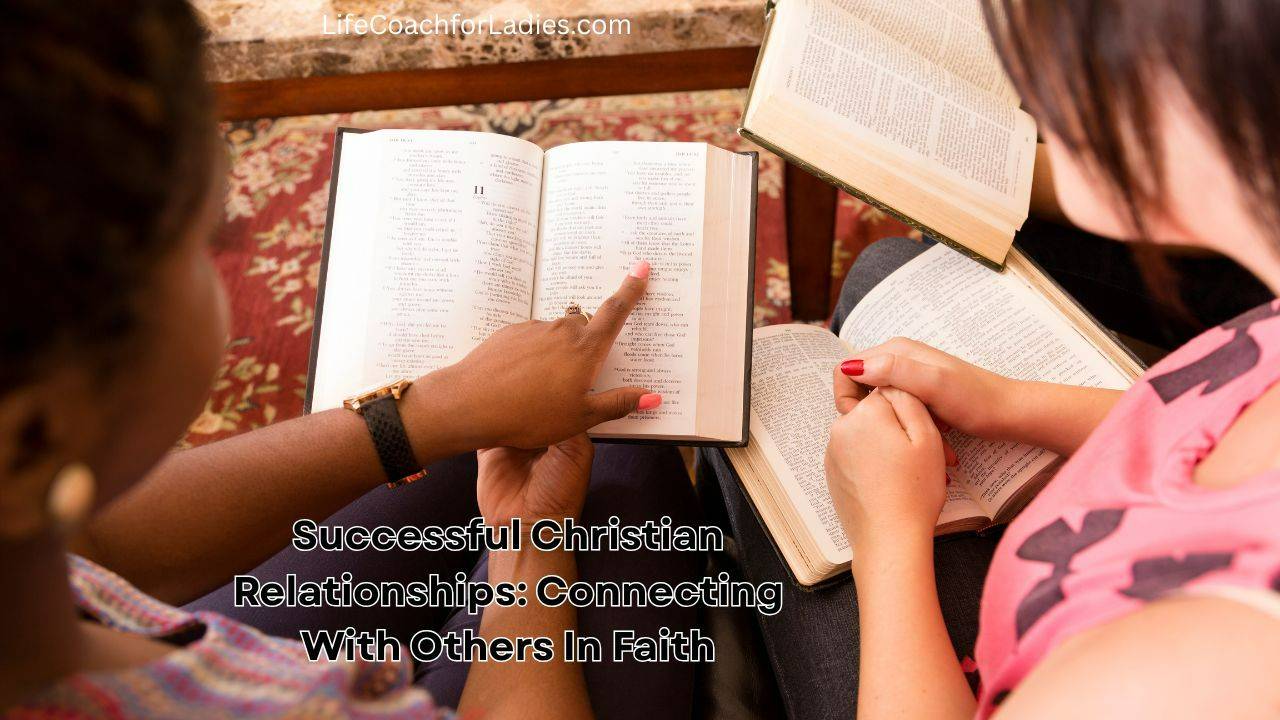
John C. Maxwell wisely says, “The ability to connect with others is a major determining factor in reaching your full potential.” He goes on to remind us that “connecting is all about others.”
This principle is especially true for Christian women seeking to cultivate healthy, meaningful relationships. Whether in marriage, friendship, family, or community, connection is the bridge that allows us to love well, grow together, and fulfill God’s purposes.
📖 “Two are better than one; because they have a good reward for their labour. For if they fall, the one will lift up his fellow.” — Ecclesiastes 4:9–10 KJV
Connection Is About Others
We live in a world where relationships often get reduced to convenience or self-interest. But true connection requires selflessness. It is about stepping outside ourselves to listen, care, and invest in the lives of others.
When we connect, we communicate: “I see you. You matter. You are valued.”
This is not just a leadership principle from John Max...
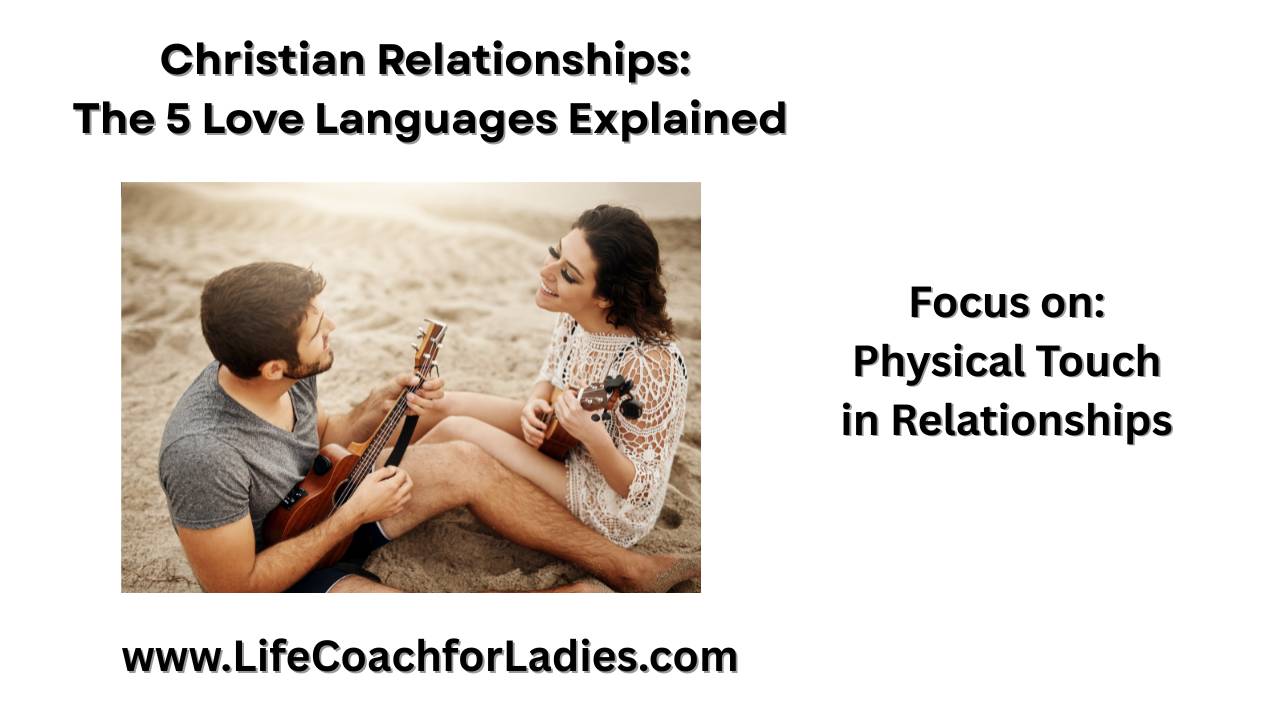
Christian Love: Physical Touch in Relationships
“Greet one another with an holy kiss.” — 2 Corinthians 13:12 (KJV)
Physical touch is a powerful way to express love, comfort, and connection. For those whose primary love language is Physical Touch, simple gestures like hugs, holding hands, or an arm around the shoulder speak volumes.
In Christian relationships, especially marriage, touch can be a sacred expression of affection, reassurance, and unity, reflecting the closeness God designed between loved ones.
🌸 What Is Physical Touch?
This love language centers on expressing love through appropriate and affectionate contact:
-
Holding hands while walking
-
A warm hug after a long day
-
Gentle touches of reassurance or encouragement
For those who value it, touch is not just physical—it is deeply emotional.
🕊️ Lie-Locked Living and Physical Touch
This love language can be hindered by Lie-Locked Living, especially if past hurts or boundaries distort its beauty. Common lies include:
-
“Physical touch is ...
Christian Love: Quality Time in Relationships

“Two are better than one; because they have a good reward for their labour.” — Ecclesiastes 4:9 (KJV)
Life is busy. Between work, ministry, and family, it is easy for our relationships to run on autopilot. But for those whose primary love language is Quality Time, nothing communicates love more than undivided attention and presence.
This love language is not just about proximity—it is about being fully present. In a distracted world, giving someone your time is one of the most powerful ways to say, “You matter to me.”
🌸 What Is Quality Time?
Quality Time means intentionally investing in uninterrupted moments with loved ones. Examples include:
-
Having deep, distraction-free conversations
-
Taking walks or sharing meals together
-
Planning simple outings or shared hobbies
For someone who values Quality Time, your focused attention is the gift.
🕊️ Lie-Locked Living and Time
Many Christian women feel stretched thin and believe lies that keep them from priorit...
Christian Love: Receiving Gifts in Relationships

“Every good gift and every perfect gift is from above, and cometh down from the Father of lights...” — James 1:17 (KJV)
For some, love is felt most deeply through Receiving Gifts—not in materialism, but in thoughtful tokens that represent care, attention, and affection. This love language is less about the cost of the gift and more about the heart behind it.
When rooted in biblical truth, giving and receiving gifts can become a powerful reminder of God’s generosity and love toward us.
🌸 What Is Receiving Gifts?
The love language of Receiving Gifts expresses love through physical symbols of affection. These gifts—large or small—say, “I was thinking of you.” Examples include:
-
A handwritten note or card
-
Flowers or a favorite treat
-
A meaningful book or keepsake
For those who value this love language, gifts are visual reminders of love and thoughtfulness.
🕊️ Lie-Locked Living and Gifts
Sometimes, this love language is misunderstood or even misjudged. L...
Recent Posts
Author

Coach Sandra
Author
At Life Coach for Ladies, we understand your desire for a life that is truly significant—a life that matters. To achieve this, it is essential to step into the purpose for which you were created. However, the world often misleads us with false notions of significance, making us feel less worthy than we truly are. We believe that God has intricately designed each of us for a unique purpose in His Kingdom. He crafts us with intention, uniquely shaping us for His plans. That is why we help women to recognize their significance in God’s Kingdom and cultivate a Truth Mindset. Here’s how we do it: 1. Embrace your true identity as a ‘daughter of the King.’ 2. Discover the unique gifts that the Holy Spirit has specifically and strategically given you. 3. Learn to walk intentionally in those gifts and draw closer to Christ. Schedule a free Transformational Game Plan Session today. Meanwhile, download my free eBook to help you fill the void you might feel and start living with success, significance, and a meaningful legacy. Sandra Krug is a Board Certified Coach (BCC) through the Center for Credentialing and Education. Coach Sandra is a Certified Master Christian Life Coach (CMCLC) through the International Christian Coaching Institute, with Certification as a Transformed Living Coaching Model Specialist and a Spiritual Transformation and Discipleship Niche Specialist. She is a Certified and Licensed Ziglar Choose to Win and See You at the Top Coach. (Ziglar is a name that has been synonymous with integrity and success for over 50 years.) She is a Certified Disc Profile Analyst and a Certified Human Behavior Consultant through Personality Insights. She is also a Certified Christian DISC Facilitator. Coach Sandra has an Advanced Diploma in Biblical Studies from the International School of Ministry and a Master's in Ministry from Christian Leadership University. She also received an Honorary Doctor of Divinity in Business and Ministry from Vision International. Her Christian values are fundamental to her life and coaching ministry. She resides in Florida with her husband, Garrett, and their ranch of rescued animals.
Stay connected with news and updates!

