
It's Here - Happy Health Awareness Month 2024

Health Awareness Month: Prioritizing Wellness in Every Aspect of Life
April 2024 is Health Awareness Month, a time dedicated to raising awareness about the importance of maintaining a healthy lifestyle and taking proactive steps to protect our physical, mental, and emotional well-being. Health Awareness Month serves as a reminder that wellness is not a destination but an ongoing journey that impacts every area of our lives.
This year, let’s focus on how we can prioritize wellness in practical and meaningful ways—embracing habits that protect our health, deepen our connections, and enable us to thrive.
Physical Health: The Foundation of Wellness
When we think about health, physical wellness is often the first thing that comes to mind. Our bodies are designed to move, heal, and function optimally when given the right care. During Health Awareness Month, take time to evaluate your physical health and consider areas where you might need more attention, whether it's through exercise,...
National Public Health Week for a Lifetime Devoted to Better Health

Protecting, Connecting, and Thriving: How We All Play a Role in Public Health
April 1-7, 2024, marks National Public Health Week, a time to focus on how we can collectively protect and improve the health of our communities. This year’s theme, Protecting, Connecting, and Thriving: We Are All Public Health, reminds us that public health is not just the responsibility of healthcare professionals but a shared mission we all participate in.
Public health touches every aspect of our lives, from the air we breathe to the water we drink, the foods we eat, and the social systems that support our well-being. To create thriving communities, we must work together to prioritize the health and safety of all individuals, recognizing that we are all public health.
Protecting: Health Starts with Prevention
One of the key pillars of public health is prevention. By preventing illness before it begins, we can reduce the burden on our healthcare systems and improve the quality of life for everyone. ...
Better Sleep With A Truth Mindset: Resting In God’s Peace

In today’s fast-paced world, sleep often becomes one of the first things we sacrifice. Yet, adequate sleep is crucial for both physical health and spiritual well-being. For Christian women seeking to live out their God-given purpose, prioritizing rest is a matter of honoring the temple of the Holy Spirit—our bodies—and trusting in God's peace. This blog explores the importance of sleep, how a Truth Mindset can help us cultivate healthier sleep habits, and how trusting God can lead to true rest.
KJV Scripture: Psalm 4:8
"I will both lay me down in peace, and sleep: for thou, Lord, only makest me dwell in safety."
This verse reminds us that God is our source of safety and peace, enabling us to rest without fear or anxiety. As Christian women, we can rest in the assurance that God watches over us, even while we sleep, and He invites us to surrender our worries to Him.
Zig Ziglar Quote:
"Rest is not a waste of time. It’s an investment in yourself."
Ziglar’s wisdom highlights...
Endometriosis Awareness: You Need to Understand the Silent Challenge

March is National Endometriosis Awareness Month, a time dedicated to raising awareness about a condition that affects millions of women worldwide yet remains widely misunderstood. Endometriosis is a chronic, painful condition where tissue similar to the lining of the uterus grows outside of it, often causing significant pain and other health complications. Awareness of this issue is especially important for Christian women because it aligns with our biblical calling to care for one another and support those struggling.
In this blog, we will discuss endometriosis, how it affects women physically and emotionally, and how we, as a Christian community, can offer support and encouragement.
What is Endometriosis?
Endometriosis occurs when tissue similar to the uterine lining (endometrium) grows outside the uterus, often on the ovaries, fallopian tubes, or other parts of the pelvic region. This displaced tissue responds to hormonal changes throughout the menstrual cycle, leading to infl...
Supporting Lung Health and Wellness for a Better Tomorrow

March 10-16 marks National Pulmonary Rehabilitation Week, a time to raise awareness about the importance of lung health and the life-changing benefits of pulmonary rehabilitation. Pulmonary rehabilitation is a specialized program designed to help individuals with chronic respiratory conditions like COPD, emphysema, chronic bronchitis, and pulmonary fibrosis. For Christian women, taking care of our bodies is essential to stewarding the gifts God has given us. In this blog, we’ll explore what pulmonary rehabilitation is, its benefits, and why it is vital to prioritize lung health.
What is Pulmonary Rehabilitation?
Pulmonary rehabilitation is a medically supervised program that combines exercise, education, and support to help individuals manage chronic lung diseases. This program is designed to improve physical functioning, increase endurance, reduce symptoms like shortness of breath, and enhance overall quality of life. It includes a combination of:
- Exercise Training: Strengthen ...
Multiple Myeloma Awareness: Understanding, Supporting, and Advocating for Better Health

March is Multiple Myeloma Awareness Month, a time to raise awareness about this rare type of blood cancer, support those affected, and advocate for advancements in research and treatment. Multiple myeloma is a cancer of plasma cells, a kind of white blood cell found in the bone marrow, and while it remains relatively rare, it can have a profound impact on individuals and their families. For Christian women, the importance of understanding multiple myeloma and offering support to those in need reflects our commitment to love and care for one another, just as Christ loves us. This blog will explore multiple myeloma, its symptoms, and how we can support those affected.
What is Multiple Myeloma?
Multiple myeloma is a cancer that forms in plasma cells and is responsible for producing antibodies to help fight infection. When these plasma cells become cancerous, they multiply uncontrollably, leading to an overproduction of abnormal proteins that can cause damage to bones, immune function...
Caring For God's Little Smiles: A Christian Perspective

February is National Children’s Dental Health Month, a reminder of the importance of caring for our children's dental health. As Christians, we know that our bodies are temples of the Holy Spirit (1 Corinthians 6:19), including caring for every part, including our teeth.
Proper dental care is more than just about appearances; it affects overall health, well-being, and confidence. By teaching our children the importance of good dental hygiene from a young age, we are equipping them with the knowledge to care for the body God has entrusted them.
Practical Steps for Christian Families:
-
Teach Stewardship Early
...
Proverbs 22:6 (KJV) says, “Train up a child in the way he should go: and when he is old, he will not depart from it.” Start teaching children the importance of brushing, flossing, and regular dentist visits, reminding them that caring for their teeth is part of being a good steward of their health. God calls us to wisely manage what He has given us, including our bodies' hea
Presidents Day Challenge: Lead with Vibrant Health and Well Being
Presidents Day is a time to reflect on the leadership of America’s past presidents and the enduring values they embodied—strength, resilience, and a commitment to the nation's well-being. As we honor the lives and legacies of those who have led this country, we can also take this moment to focus on leadership in our own lives, particularly in health.
Health is foundational to effective leadership. Just as presidents have needed to maintain physical, mental, and emotional well-being to lead with clarity and conviction, we are called to do the same in our personal lives. Whether we lead our families, workplaces, or communities, prioritizing our health allows us to serve others more effectively and pursue our goals with greater energy and focus.
The Leadership of Self-Care
When we think of presidential leadership, we often imagine decision-making moments under pressure, guiding the nation through crises, or inspiring people to rise above challenges. However, behind these moments is ...
International Prenatal Infection Prevention Month: Empower Mom and Baby
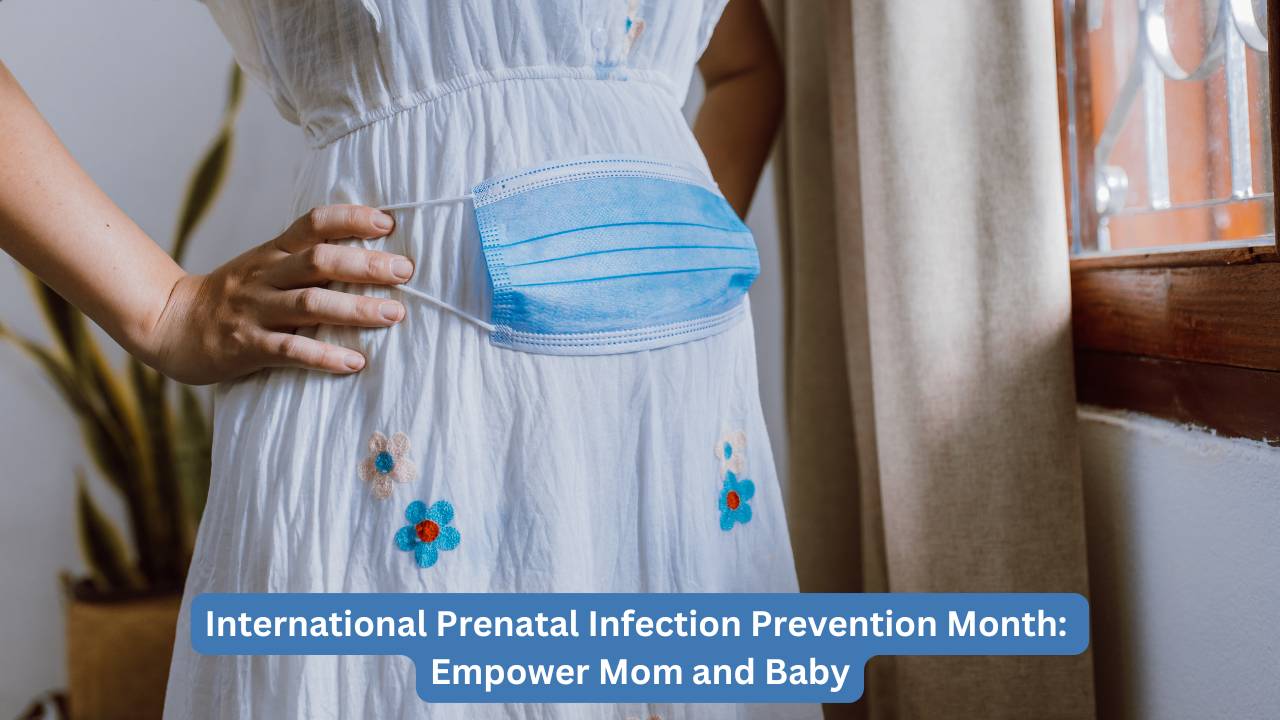
February is International Prenatal Infection Prevention Month, a time to raise awareness about preventing infections during pregnancy. Prenatal infections can affect the health of both the mother and the baby, sometimes leading to complications that are avoidable with the right knowledge and preventative measures.
Understanding how to protect yourself and your baby from harmful infections during pregnancy is crucial for ensuring a safe, healthy pregnancy and delivery.
Why Prenatal Infection Prevention Matters
During pregnancy, a mother’s immune system changes to accommodate the growing baby, sometimes making her more susceptible to infections. Prenatal infections can be passed from mother to baby, potentially leading to birth defects, preterm labor, or other serious health issues.
While some infections are common and easy to manage, others can be more severe, especially if contracted during pregnancy. The good news is that awareness, vaccinations, and careful hygiene practices c...
February is the American Heart Month: Prioritize Women's Health

February is American Heart Month, a time dedicated to raising awareness about heart health, particularly for women. Cardiovascular disease, including heart disease and stroke, is the leading cause of death for women in the United States, yet many women may not realize their risk. While heart health often seems like a male-dominated issue, women need to take proactive steps to protect their hearts and prioritize their overall well-being.
Why Heart Health Matters for Women
Heart disease can affect women differently than men. Women are more likely to experience subtle symptoms of a heart attack that may not always align with the classic signs of chest pain. Symptoms like shortness of breath, fatigue, nausea, and neck, jaw, or back discomfort are common warning signs for women but can often be mistaken for less serious conditions.
Understanding the risks and being mindful of heart health can save lives. The good news is that heart disease is largely preventable with lifestyle changes...
Recent Posts
Author

Coach Sandra
Author
At Life Coach for Ladies, we understand your desire for a life that is truly significant—a life that matters. To achieve this, it is essential to step into the purpose for which you were created. However, the world often misleads us with false notions of significance, making us feel less worthy than we truly are. We believe that God has intricately designed each of us for a unique purpose in His Kingdom. He crafts us with intention, uniquely shaping us for His plans. That is why we help women to recognize their significance in God’s Kingdom and cultivate a Truth Mindset. Here’s how we do it: 1. Embrace your true identity as a ‘daughter of the King.’ 2. Discover the unique gifts that the Holy Spirit has specifically and strategically given you. 3. Learn to walk intentionally in those gifts and draw closer to Christ. Schedule a free Transformational Game Plan Session today. Meanwhile, download my free eBook to help you fill the void you might feel and start living with success, significance, and a meaningful legacy. Sandra Krug is a Board Certified Coach (BCC) through the Center for Credentialing and Education. Coach Sandra is a Certified Master Christian Life Coach (CMCLC) through the International Christian Coaching Institute, with Certification as a Transformed Living Coaching Model Specialist and a Spiritual Transformation and Discipleship Niche Specialist. She is a Certified and Licensed Ziglar Choose to Win and See You at the Top Coach. (Ziglar is a name that has been synonymous with integrity and success for over 50 years.) She is a Certified Disc Profile Analyst and a Certified Human Behavior Consultant through Personality Insights. She is also a Certified Christian DISC Facilitator. Coach Sandra has an Advanced Diploma in Biblical Studies from the International School of Ministry and a Master's in Ministry from Christian Leadership University. She also received an Honorary Doctor of Divinity in Business and Ministry from Vision International. Her Christian values are fundamental to her life and coaching ministry. She resides in Florida with her husband, Garrett, and their ranch of rescued animals.
Stay connected with news and updates!

